Bharatanatyam Blog
Explore the rich world of Bharatanatyam through articles on technique, history, spirituality, and practical tips for dancers at all levels.
Learning Dance in the Digital Age
Learning dance in the digital age is the practice of studying classical and contemporary dance forms through virtual platforms, live online instruction, and digital tools - a shift that has fundamentally changed who can access traditional performing arts.
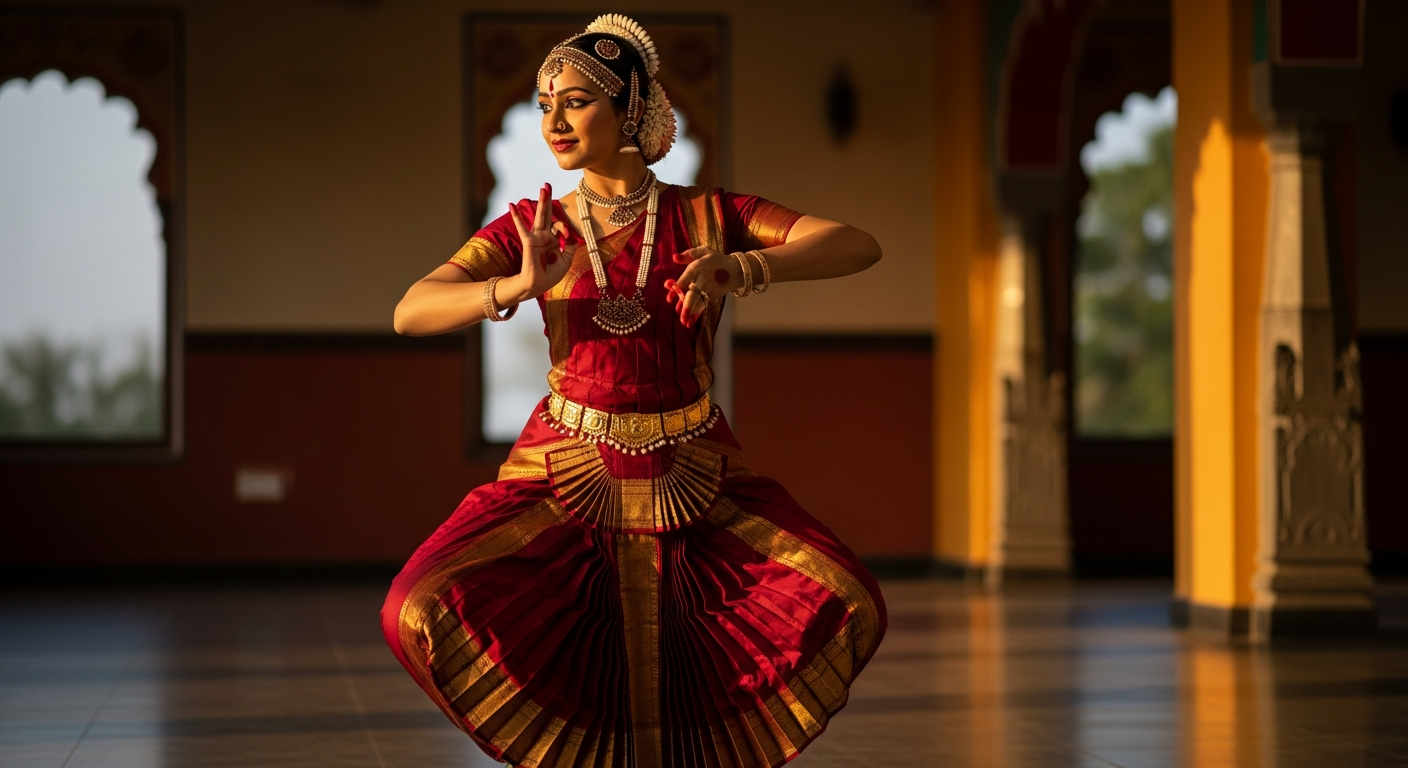
The Art of Showing Up: Why Mental Discipline Matters When Learning Bharatanatyam After 30
When you're learning Bharatanatyam after 30, you're negotiating it alongside careers, partnerships, children, and a thousand small demands. But the mental discipline required to sustain your sadhana isn't separate from your life - it becomes the foundation for everything else.
Talapraveshika - Why Understanding Talam Is the True Beginning of Bharatanatyam
Taalapraveshika is a structured online course on Talam for Bharatanatyam students by Guru Rakshita Raghunathan. Understand rhythm, Layam, and the mathematical foundations of dance - built for beginners and intermediate learners alike.
Visibility vs Value: How Social Media Is Reshaping Classical Dance
Does going viral reflect artistic merit? Explore how reels culture, algorithm-driven visibility, and digital trends are reshaping classical dance, Bharatanatyam, and artistic integrity worldwide.
Can You Learn Bharatanatyam Online? A Complete Guide for International Students
Yes - you can learn Bharatanatyam online effectively and authentically. This guide for international students explains how structured online classes work, what to look for, and how to build a strong classical foundation from anywhere in the world.
Arangetram Preparation for Online Bharatanatyam Students
A detailed look at how Bharatanatyam students prepare for Arangetram through long-term online training and disciplined guidance.
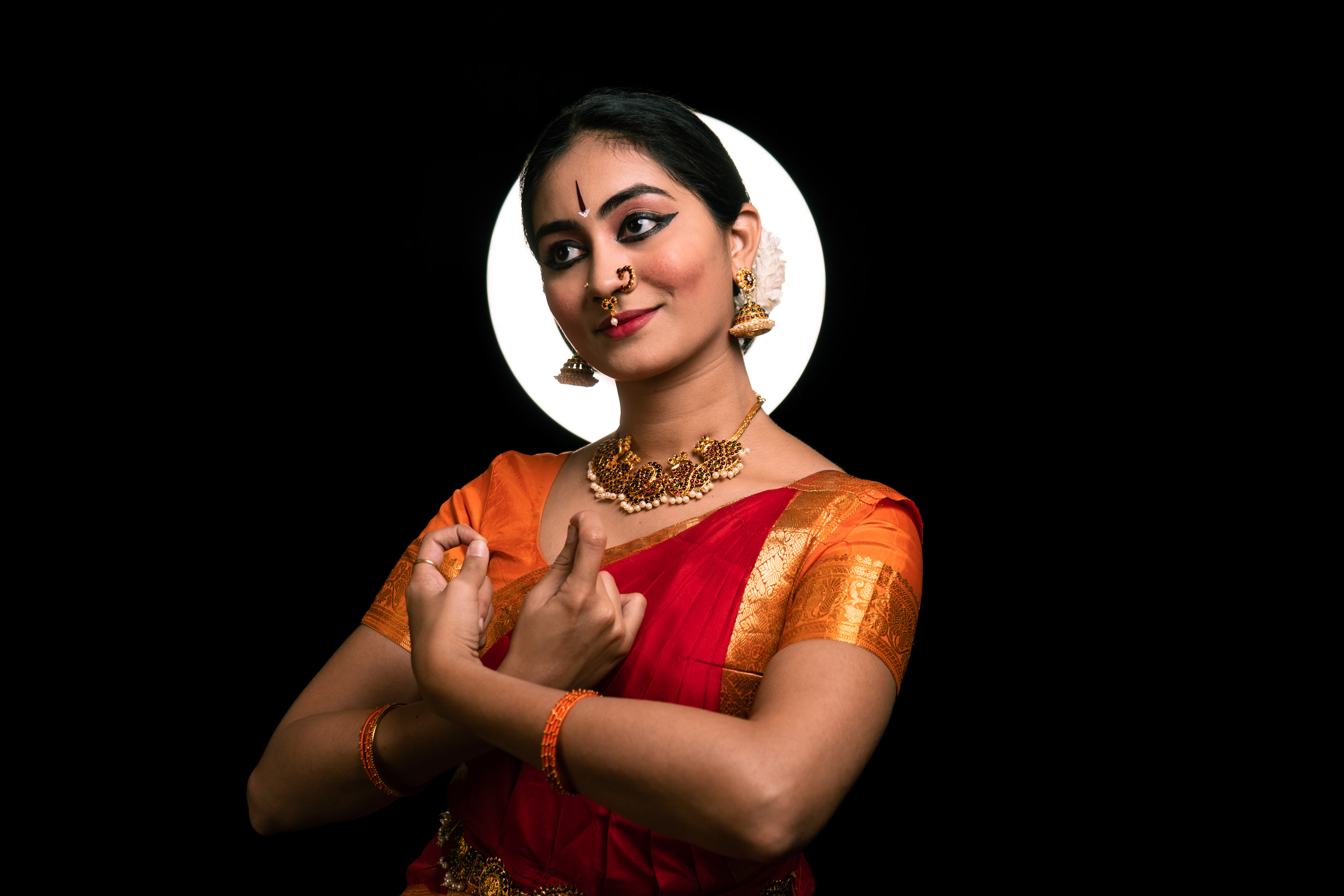
History of Bharatanatyam: Temple Origins, Devadasi Tradition, and Global Revival
Bharatanatyam is a classical Indian dance form with deep roots in temple traditions, regional styles, and expressive storytelling. This article explores its origins, evolution, artistic elements, and global influence.
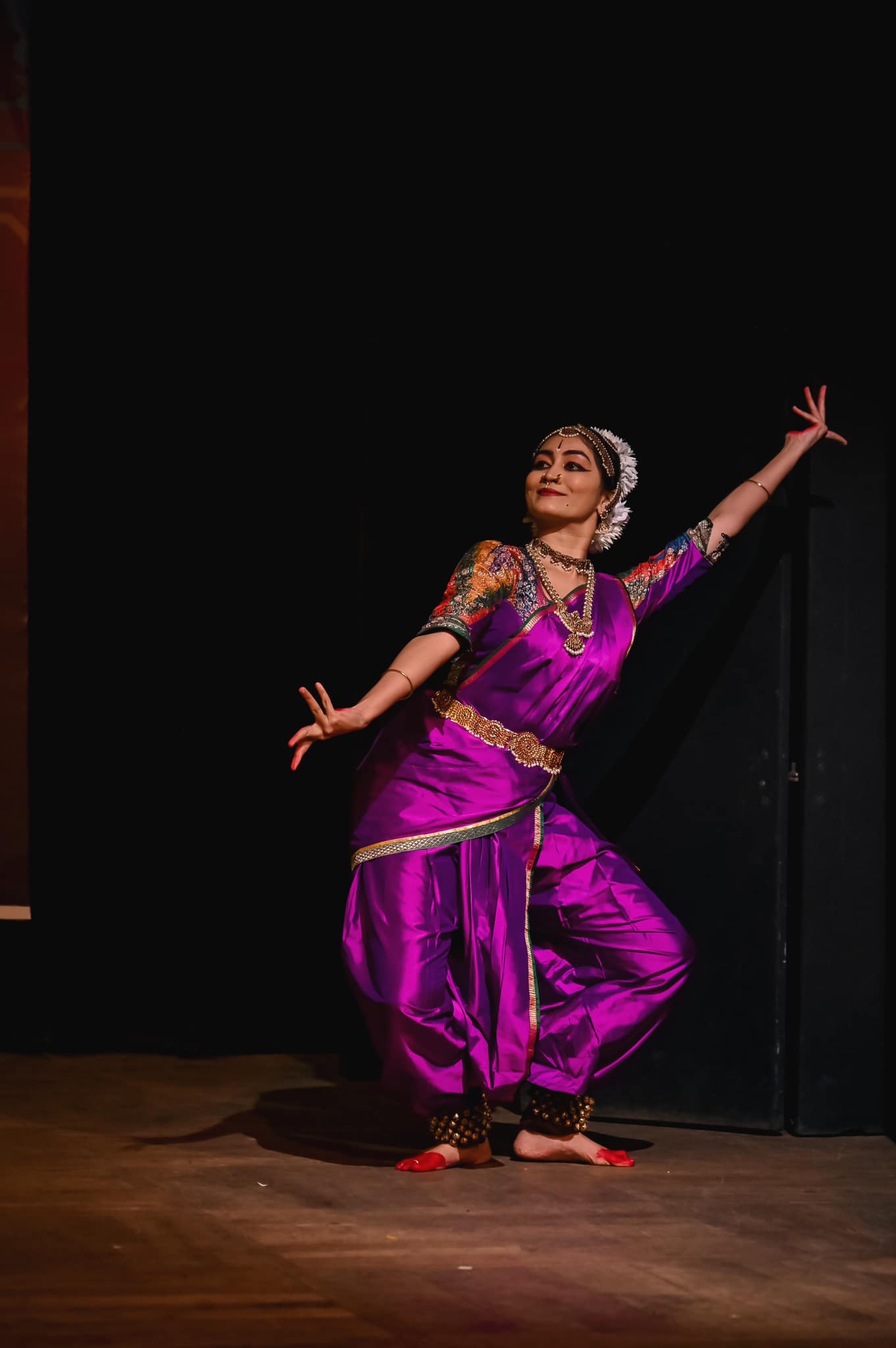
Angashuddham in Bharatanatyam: The Foundation of Classical Precision
Angashuddha, the purity of limbs in Bharatanatyam, is a foundational principle described in classical dance treatises. This article explores its technical, rhythmic, and philosophical dimensions, offering practical guidance rooted in tradition.
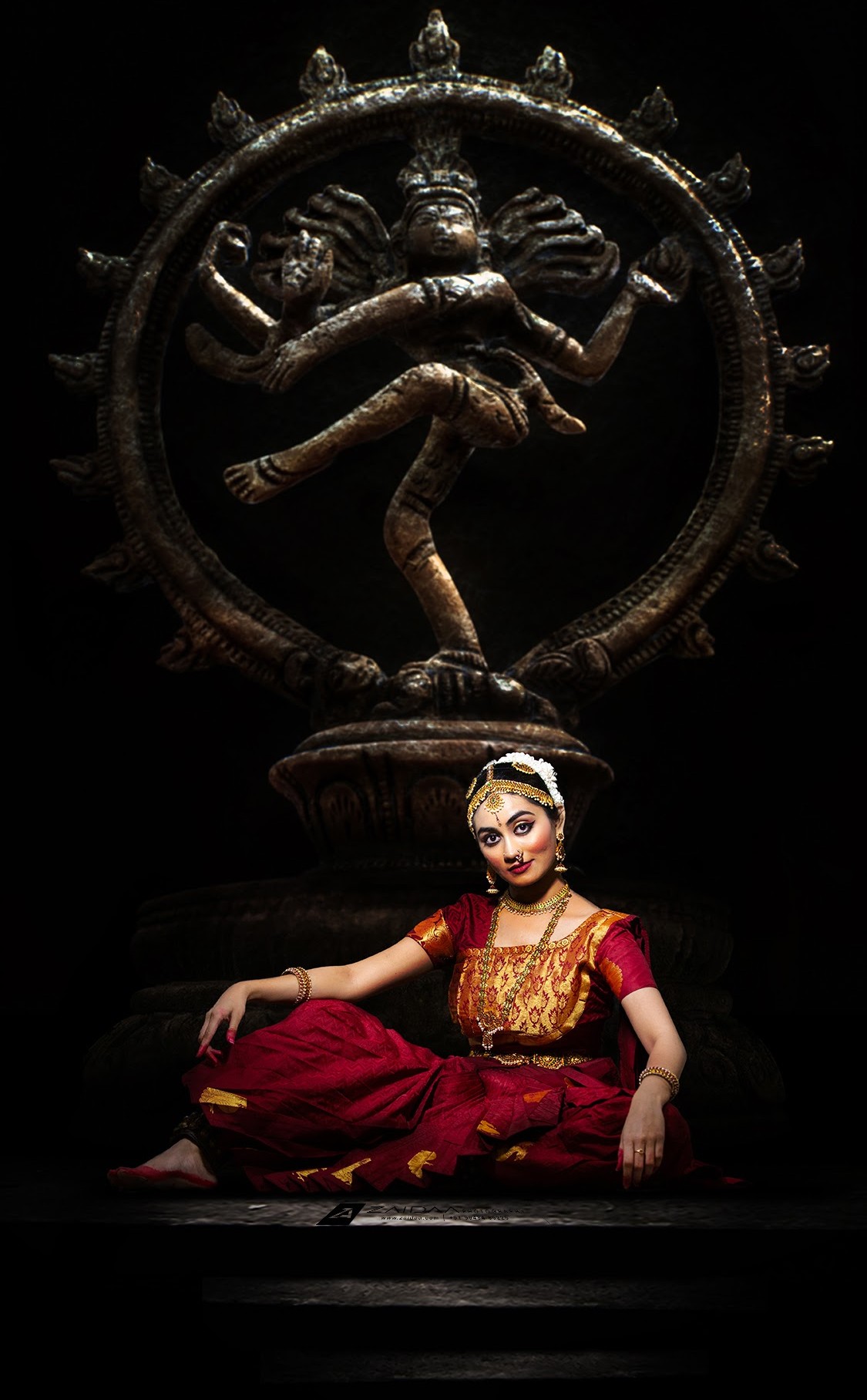
The Iconic Pose of Nataraja in Bharatanatyam: Symbolism and Significance
The Nataraja pose is one of the most powerful symbols in Bharatanatyam, representing Lord Shiva as the cosmic dancer. This article explores its mythology, symbolism, physical structure, and spiritual meaning in classical dance.
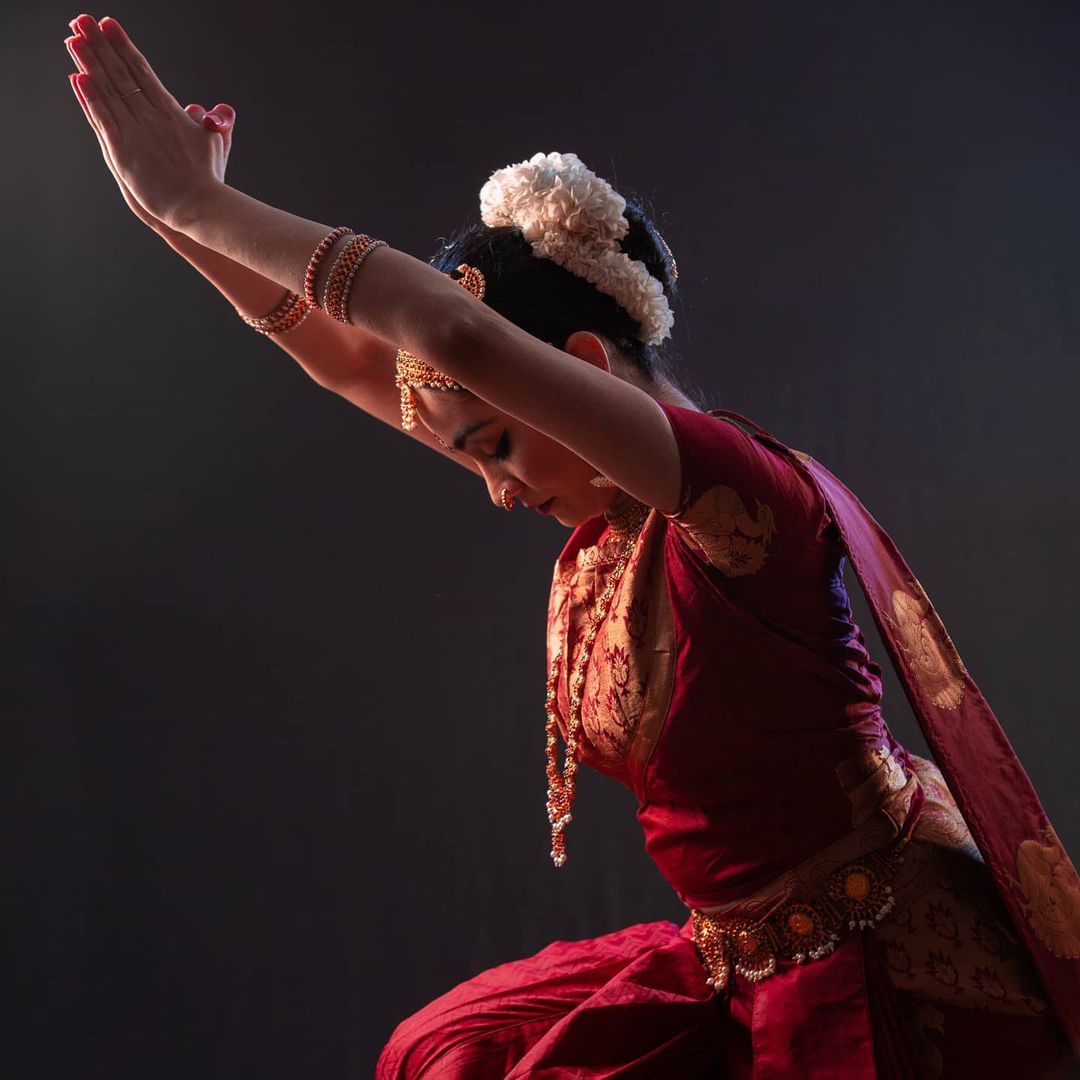
Learning Bharatanatyam at 35: Why It's Never Too Late to Begin
Learning Bharatanatyam at 35 is not only possible-it can be deeply fulfilling. This article explores why adults thrive in classical dance, the benefits of starting later, and how beginner-friendly training supports lifelong learning.
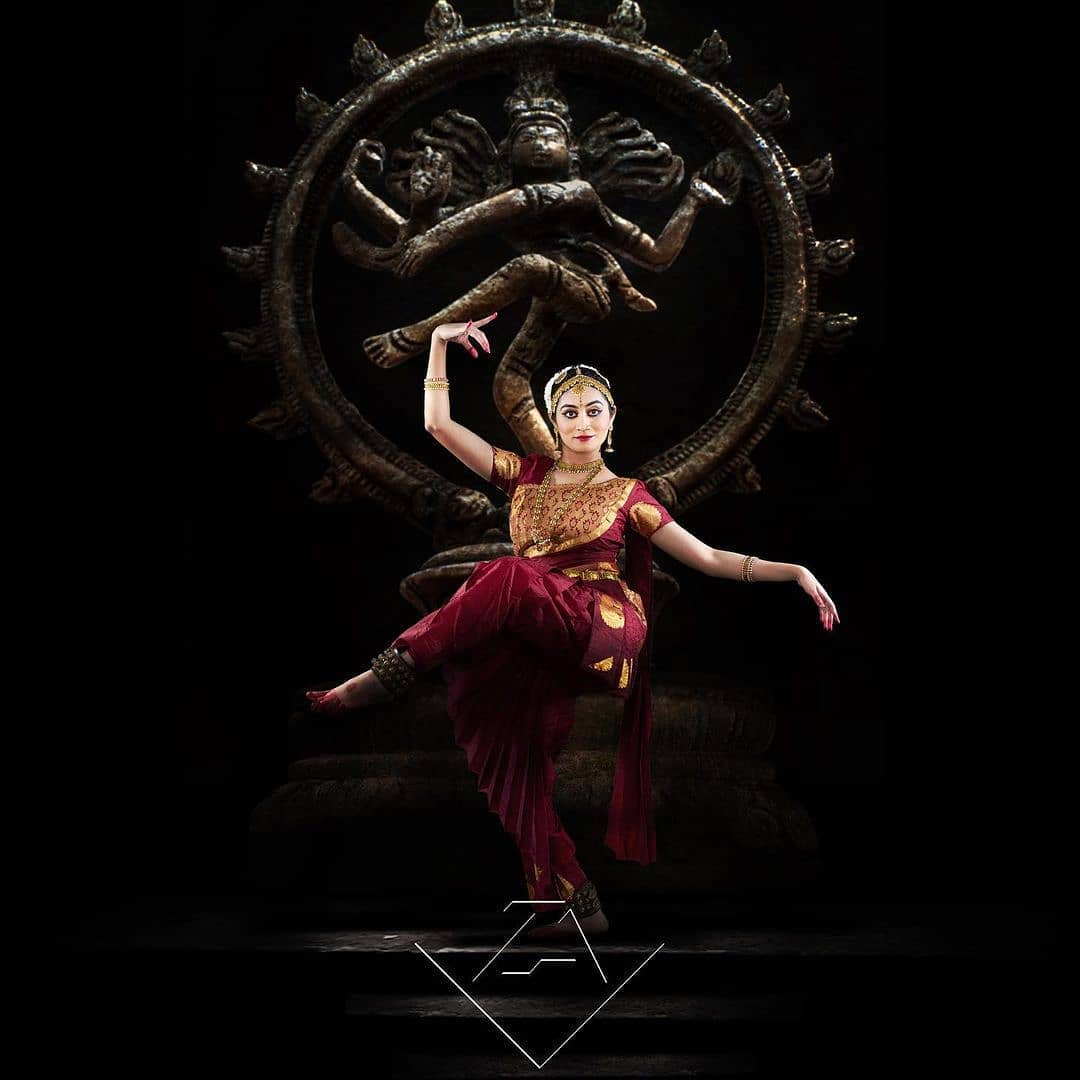
What Is Arangetram? Meaning, Ritual & Significance in Bharatanatyam
Arangetram is a Bharatanatyam dancer’s first solo stage performance, symbolizing the completion of years of rigorous training and the beginning of an independent artistic journey. More than a recital, it is a cultural, spiritual, and artistic milestone deeply rooted in tradition.