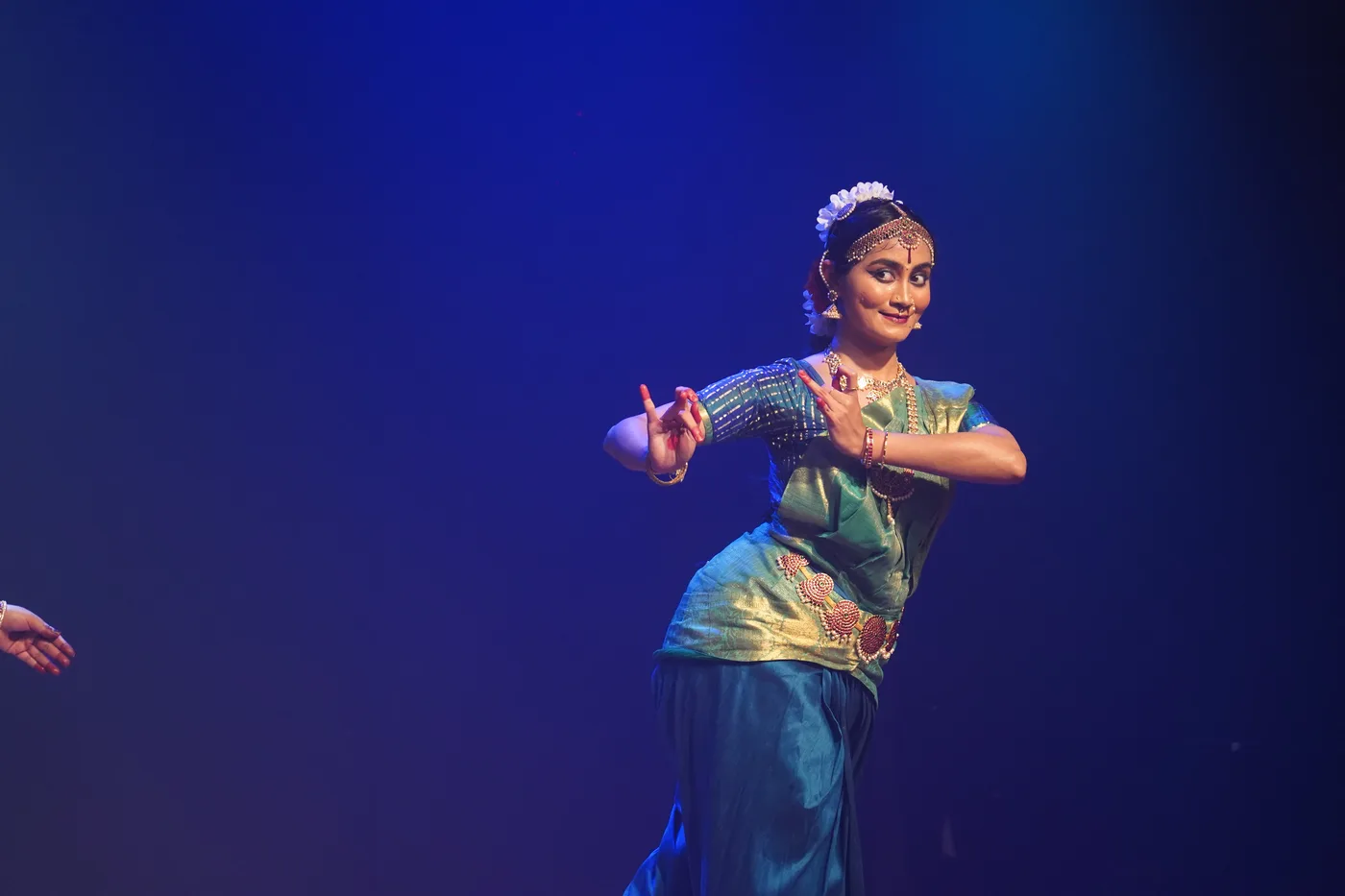
Meaning & Culture of Bharatanatyam
Discover the rich cultural heritage, symbolism, and spiritual depth behind one of India's most revered classical dance forms.
Explore Our TrainingUnderstanding the cultural and symbolic meaning of Bharatanatyam is designed to help learners of all ages build strong foundations in posture, rhythm, technique, and expression through structured lessons and guided feedback.
Bharatanatyam is a classical Indian art with deep cultural roots. At Samridhi Dance, we teach not just movement but the meaning behind gestures, expressions, and rhythmic patterns — connecting tradition with learning.
Cultural Roots
The dance evolved from sacred temple traditions and ancient texts
Ancient Texts
Rooted in Abhinaya Darpanam and Natya Shastra
Temple Origins
Evolved from sacred temple dance traditions
Hastas
Symbolic hand movements with deep meaning
Abhinaya
Expressive storytelling through face and body
The dance evolved from sacred temple traditions and ancient texts like the Natya Shastra and expresses stories, emotions, and spiritual ideas through a rich vocabulary of movement.
Spiritual & Ritual Significance
Originally performed as devotional offerings in temples, Bharatanatyam carries ritual meaning that enriches its artistic expression. The dance was a form of worship, with dancers dedicating their art to the divine.
In scholarly discourse on Indian classical dance, Nritya Upacharam refers to the offering of expressive dance (nritya) as a ritual act within temple worship. The term draws from the concept of upachara—the traditional modes of reverential service offered to a deity (such as in shodasha upachara). Within this framework, dance is understood not merely as performance but as a sacred medium of worship, where abhinaya, gesture, and rhythm become forms of devotional service. Scholars examining temple traditions and the devadasi system note that nritya functioned as a ritual upachara, integrated into daily and festival liturgies, reinforcing the theological view of dance as embodied prayer and consecrated offering.
Pooja Natyam
Pooja Natyam refers to a traditional devotional dance offering performed as part of temple ritual practice. Historically associated with the devadasi tradition, it was presented in temples as an act of worship to the presiding deity. The dance was not conceived as a stage performance but as seva (sacred service), integrating music, rhythm, gesture, and expression to honor the divine. The structure often followed established liturgical sequences, and the dancer functioned as an intermediary, embodying both ritual precision and spiritual surrender. In this context, Pooja Natyam was an essential component of temple ceremonies, reinforcing the sacred relationship between dance and devotion.
Why Understanding Meaning Matters
Samridhi's teaching emphasises grasping cultural context to deepen your connection to the art as you learn technique and performance. When you understand the "why" behind each movement, your dance becomes more authentic and expressive.
Frequently Asked Questions
Explore Further
Deepen your understanding of Bharatanatyam's rich heritage through Samridhi Dance's comprehensive training programs.